




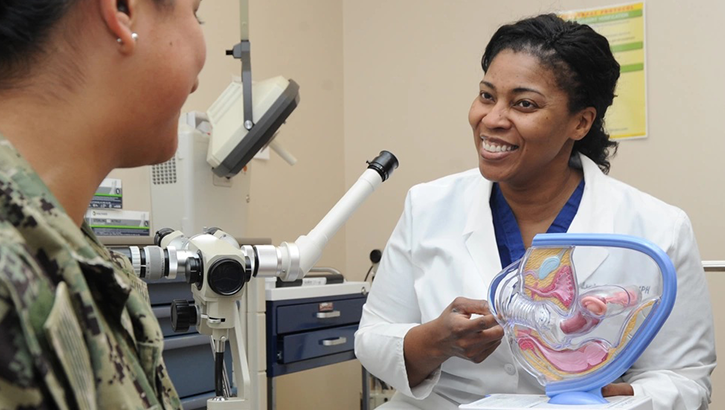
The cervix is the lower, narrow end of the uterus (womb). The cervix connects the uterus to the vagina (birth canal). Cervical cancer usually develops slowly over time. Nearly all types of cervical cancer are caused by long-lasting human papillomavirus infection. Most HPV infections go away on their own, but if high-risk HPV infection lasts for many years, it can lead to changes in cervical cells, which if left untreated can become cancer.
Risk Factors
Women of all ages are at risk for cervical cancer, but it occurs most often in women over age 30. Common risk factors for cervical cancer include:
- Having a weakened immune system
- Smoking or breathing second-hand smoke
- Become sexually active at an early age or having multiple partners
- Other reproductive factors such as using birth control pills
Women whose mothers took diethylstilbestrol while they were pregnant to prevent miscarriage and premature, have an increased risk of cervical cell changes.
Prevention
Cervical cancer is preventable and curable if caught early. Prevention steps include getting:
- The HPV vaccine when recommended
- Cervical cancer screening which include HPV and pap tests
- Follow-up treatment, if needed
Signs & Symptoms
Cervical cancer symptoms don't usually appear until the cancer has spread, and many of these may be symptoms of other conditions. Routine screening and not ignoring symptoms is the best way to get an early diagnosis and begin treatment.
| Early-Stage Symptoms (About 44% of people with cervical cancer are diagnosed at an early stage) | Advanced-Stage Symptoms |
|---|---|
|
|
Source: National Cancer Institute