


What is Cryopreservation?
Cryopreservation is the process of freezing and storing reproductive cells for possible future use.
- For men, this may involve freezing sperm.
- For women, this may involve retrieving and freezing eggs.
Reasons may include:
- A deployment or assignment that affects family-planning timing
- Extended geographic separation
- Medical treatment that could affect fertility
- A health condition affecting reproductive function
- Personal family-building goals
- Other circumstances discussed with a healthcare provider
Cryopreservation doesn’t guarantee a future pregnancy. Individual circumstances, age, health and other factors matter.
Sperm is collected, processed, frozen and stored for potential future reproductive use.
If you're considering testosterone therapy and future biological children matter to you, discuss fertility with your provider before treatment begins, because testosterone can suppress sperm production.
Egg cryopreservation generally involves ovarian stimulation, monitoring and an egg-retrieval procedure before mature eggs are frozen and stored. A reproductive-health specialist can explain:
- The process
- Expected timeline
- Potential risks
- Likelihood of obtaining usable eggs
- Costs
- Storage
- Future use
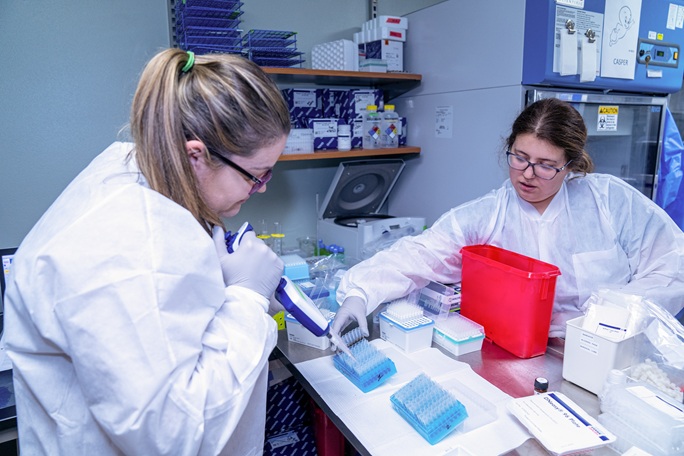
TRICARE & Cryopreservation: What’s Covered?
If you’re considering freezing your eggs or sperm (cryopreservation), here's a simple breakdown of when TRICARE will cover the costs and when you would have to pay out-of-pocket.
TRICARE covers freezing and storing your eggs or sperm if a medical condition or treatment will affect your fertility. This is covered for qualified service members:
- Undergoing cancer treatments: If you're undergoing treatments like chemotherapy or radiation that can impact your ability to have children later.
- With a severe illnesses or injury: If you're an active duty service member who has suffered a serious injury or illness while serving that affects your reproductive system.
TRICARE doesn’t cover freezing your eggs, sperm, or embryos for personal or elective reasons. This includes delaying parenthood for career, educational, or personal reasons. You’ll have to pay for the medical procedures, medications, and the annual storage fees yourself.
What are Other Options?
You may be eligible for the Cryopreservation Demonstration Program. This demo reimburses eligible active duty service members for costs related to gamete (sperm or egg) preservation.
- Sperm preservation: up to $500 per year
- Egg preservation: up to $10,000 per year
The program begins on Sept. 14, 2026. The program ends on Sept. 14, 2029.
Learn about DHA's Cryopreservation Demonstration Program and see if you’re eligible.
TRICARE doesn’t cover ART services. This includes IUI, IVF, cryopreservation, etc.
ART services are available from eight military hospitals that have obstetrics and gynecology reproductive endocrinology and infertility graduate medical education programs:
- Walter Reed National Military Medical Center (Bethesda, Maryland)
- Tripler Army Medical Center (Honolulu, Hawaii)
- Womack Army Medical Center (Fort Liberty, North Carolina)
- Madigan Army Medical Center (Joint Base Lewis-McChord, Washington)
- Brooke Army Medical Center (Fort Sam Houston, Texas)
- Naval Medical Center San Diego (San Diego)
- Naval Medical Center Portsmouth (Portsmouth, Virginia)
- Wright Patterson Medical Center/88th Medical Group (Greene County, Ohio)
These services are available on a first-come, first-served basis at a greatly reduced cost. To learn more, please visit the ART Services webpage.