Sept. 30, 2026 | By Robert Hammer, Defense Health Agency Communications



Sept. 30, 2026 | By Robert Hammer, Defense Health Agency Communications
A cancer diagnosis can be one of the most difficult and uncertain moments in a person’s life, both for the patient and family members — and impacts readiness. In Defense Health Agency’s military hospitals and clinics, dedicated staff work behind the scenes to help navigate a patient’s journey: nurse navigators, care coordinators, and those with similar roles.
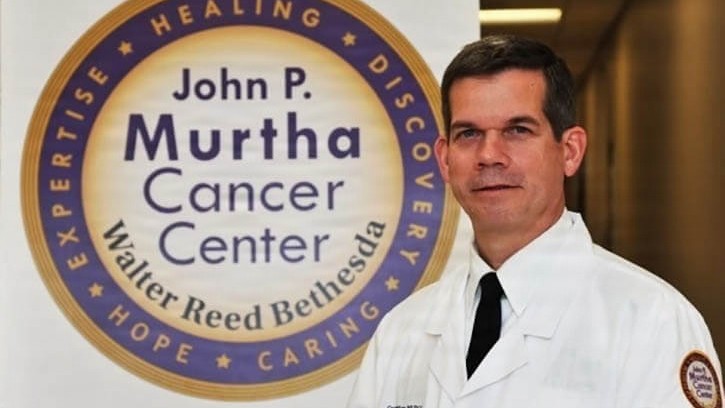
At Walter Reed National Military Medical Center in Bethesda, Maryland, Karrie Hilton, a nurse navigator who supports those with breast cancer at the John P. Murtha Cancer Center, connects patients with the people and services they need through their treatment and recovery process.
Providers “call me ‘the hub,’” she said. “My role is to be the hub of information, guiding all of our newly diagnosed breast cancer patients through their treatment journey from diagnosis into survivorship.”
She helps patients navigate the numerous appointments, specialists, tests, and decisions. In a treatment journey that involves joint, integrated capabilities of a care team, patients may need surgeons, oncologists, radiologists, nurses, therapists, and social workers, and may not know where to start or their next steps. That’s where Hilton not only gives them a helping hand — she serves as central command in their treatment.
She is the point of contact among the patient and care team, and for active duty service members, the military command. Hilton said patients benefit from clear follow-up, timely care, and having one person they can contact with questions, concerns, or symptoms.
WRNMMC brings the breast cancer team together early, noted Hilton. She said a “newly diagnosed patient can meet several specialists in one morning. The patient stays in one exam room while each specialist comes in. Together, we discuss options and work toward one plan.”
Her work, she said, can continue for months or longer. Some patients may need treatment for more than a year. Hilton stays involved through active treatment, and before patients move into survivorship, she helps build a five-year follow-up plan.
Job titles may vary by military hospital or clinic, but the core work and commitment to the patient is much the same.
At Naval Hospital Jacksonville, Florida, Karen Elgin is the only breast health nurse in the general surgery clinic. After a breast cancer diagnosis, she discusses next steps, schedules general surgery appointments, tracks referrals, sends records to network providers, helps schedule surgery, and follows up with patients. Her work also eases the burden on the clinical staff, ensuring the team maintains its medical readiness.
Naval Hospital Jacksonville does not provide oncology, radiation oncology, or plastic surgery, Elgin said, so close coordination with network providers is an important part of care: “Nurses are ideal for this role as we also can provide triage, patient education, and advocacy.”
Hilton and Elgin said their role goes beyond appointments. Navigators and coordinators may help with transportation, referrals, treatment for symptoms, rehabilitation, genetic counseling, nutrition, behavioral health, and other needs. “Ensuring patients feel comfortable and confident with their care team and treatment plan,” is a vital aspect of her job, Hilton said.
Elgin said a pivotal part of her role is recognizing the “overwhelming” nature of the diagnosis: “It’s about being available to answer questions and to calm nerves during a very vulnerable time in a patient’s life.”
For active duty patients, serious illness can impact service status, recovery time, and the ability to deploy or return to duty.
In support of the DHA’s primary mission as a combat support agency, warfighter readiness is a cornerstone of a navigator or coordinator’s work, Hilton said. “We're seeing in our active duty population higher incidences of cancer, breast cancer, and also in their spouses, which also affects our active duty service members.”
Noting seeing an increase in cancer diagnosis for early-career service members, “readiness is a big question” for younger patients, she said.
To ensure delivery of warfighter medical readiness, navigators and coordinators operate with a distinct focus: “Better patient outcomes will support readiness,” Hilton said. “Having a team that communicates well, that works together and truly has the patients’ well-being at the center of our care — is key.”
Hilton said navigators and coordinators deliver the healthcare enterprise beneficiaries deserve by ensuring patients receive timely care, supporting their recovery journey, and keeping active duty patients connected with their care teams and commands. Their work “helps beneficiaries navigate a complex health system while receiving high-quality, state-of-the-art care,” she added.
In alignment with DHA Director Navy Vice Adm. Darin K. Via’s strategic priorities, navigators and coordinators play a significant part in caring for joint force and all those the agency is privileged to serve. “It's an honor to be able to support a patient and their family through a difficult cancer journey,” Hilton said. “It’s a scary call for any patient to get. I’m there to help provide reassurance and support, and to guide them through the whole process.”
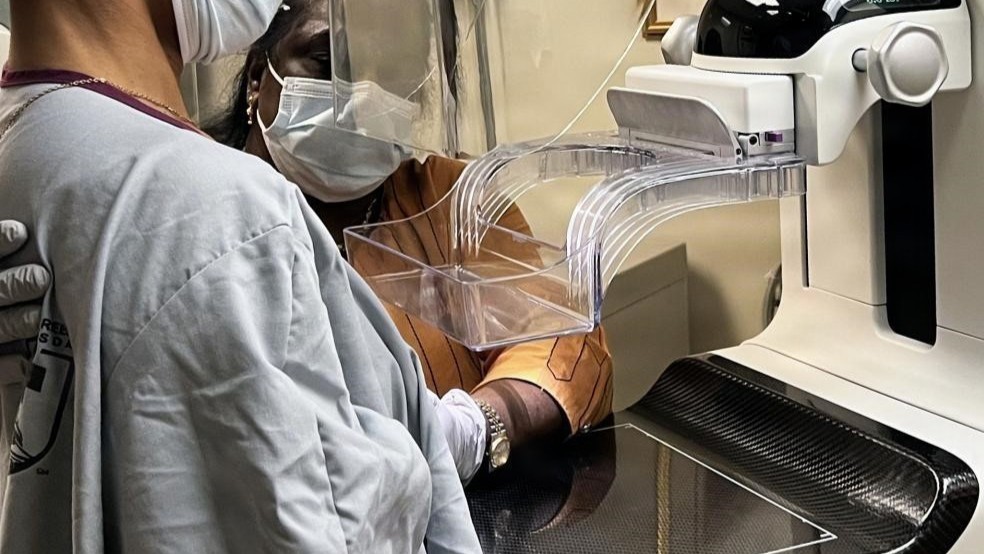
Preventive care is crucial, stressed Hilton and Elgin and encouraged female warfighters and spouses to schedule a screening with their primary care physician. TRICARE offers information on cancer screening and services. If you're a patient, provider, or someone else who's interested in referring a patient or asking questions about cancer services or cancer in general, visit the Department of Defense Cancer Clearinghouse for information on services offered across the Military Health System.