Aug. 24, 2026 | By Staff Sgt. Stephanie Henry, Armed Forces Medical Examiner System


Aug. 24, 2026 | By Staff Sgt. Stephanie Henry, Armed Forces Medical Examiner System
While the Armed Forces Medical Examiner System is known for its critical forensic and medical examiner work, another mission happens behind the scenes every day: protecting the people who perform that work.
From forensic pathologists and DNA analysts to laboratory technicians and medicolegal death investigators, every member of the Armed Forces Medical Examiner System depends on a strong safety program to perform the mission.
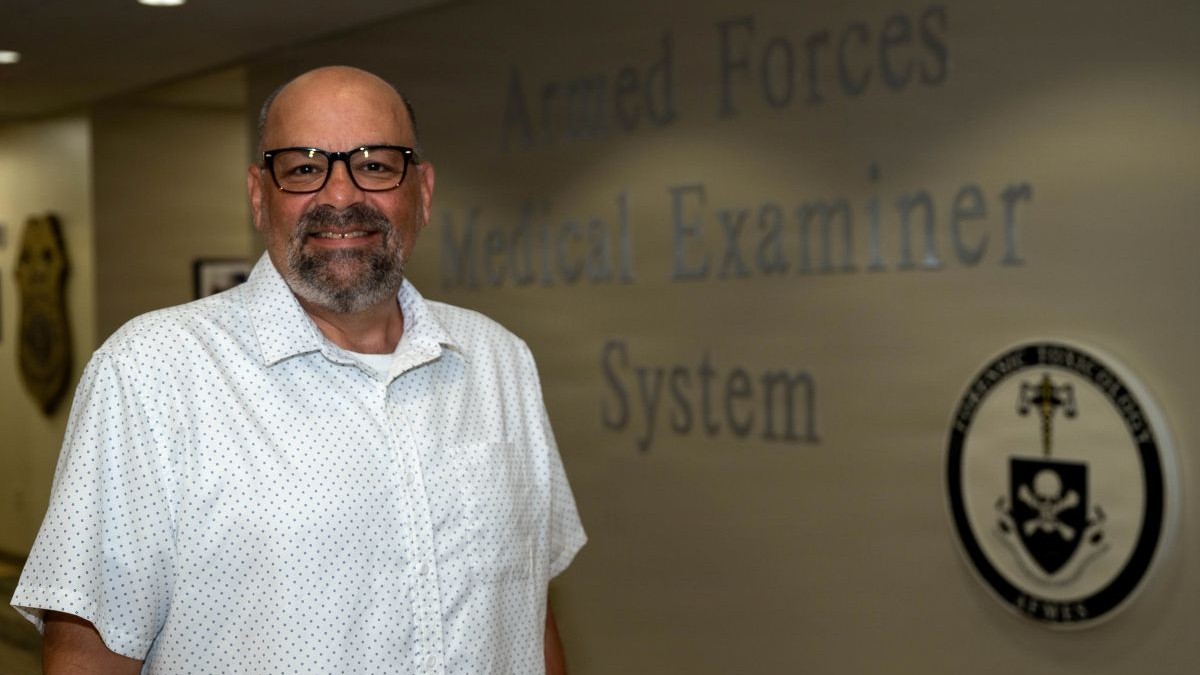
According to Mike Leone, AFMES Safety and Occupational Health Manager, safety is more than meeting regulatory requirements. It's what keeps the organization's work moving forward. "Safety directly ensures mission continuity and operational integrity," said Leone. "By establishing and maintaining a secure, hazard-controlled environment, we protect the highly specialized personnel who perform AFMES's critical work."
As a tri-service organization, comprised of military, civilian, and contractor personnel, AFMES operates across a variety of specialized environments. Its safety program is designed to protect its diverse workforce while ensuring the organization can continue to provide timely, accurate forensic answers to military families and investigators.
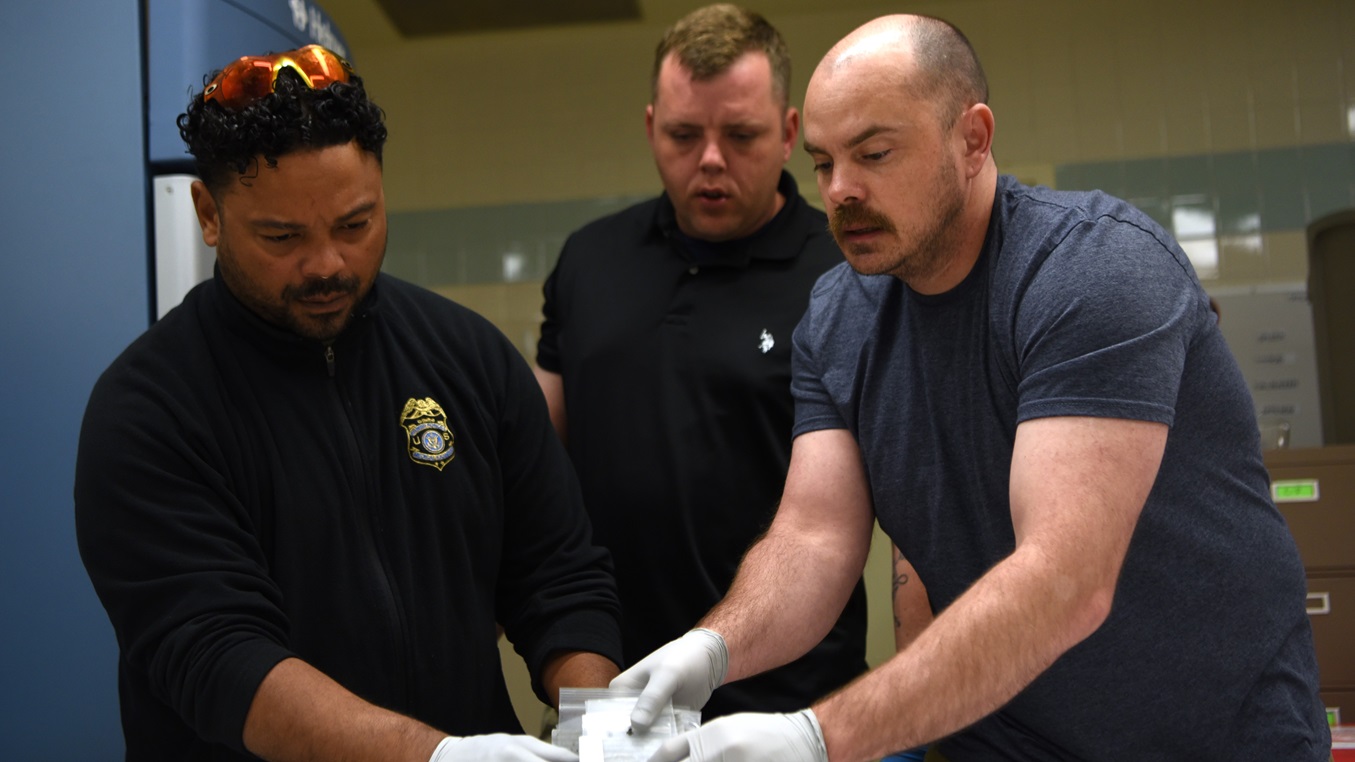
That commitment extends into every AFMES laboratory, where safety procedures shape every step of the forensic process. For Jessica Knittel, AFMES Laboratory Operations Chief and Forensic Toxicology team, safety is inseparable from the science. "Safety directly dictates how we handle samples and conduct testing every day," said Knittel. "It ensures we protect ourselves from hazardous exposures while preserving the strict chain of custody required for legally defensible forensic results."
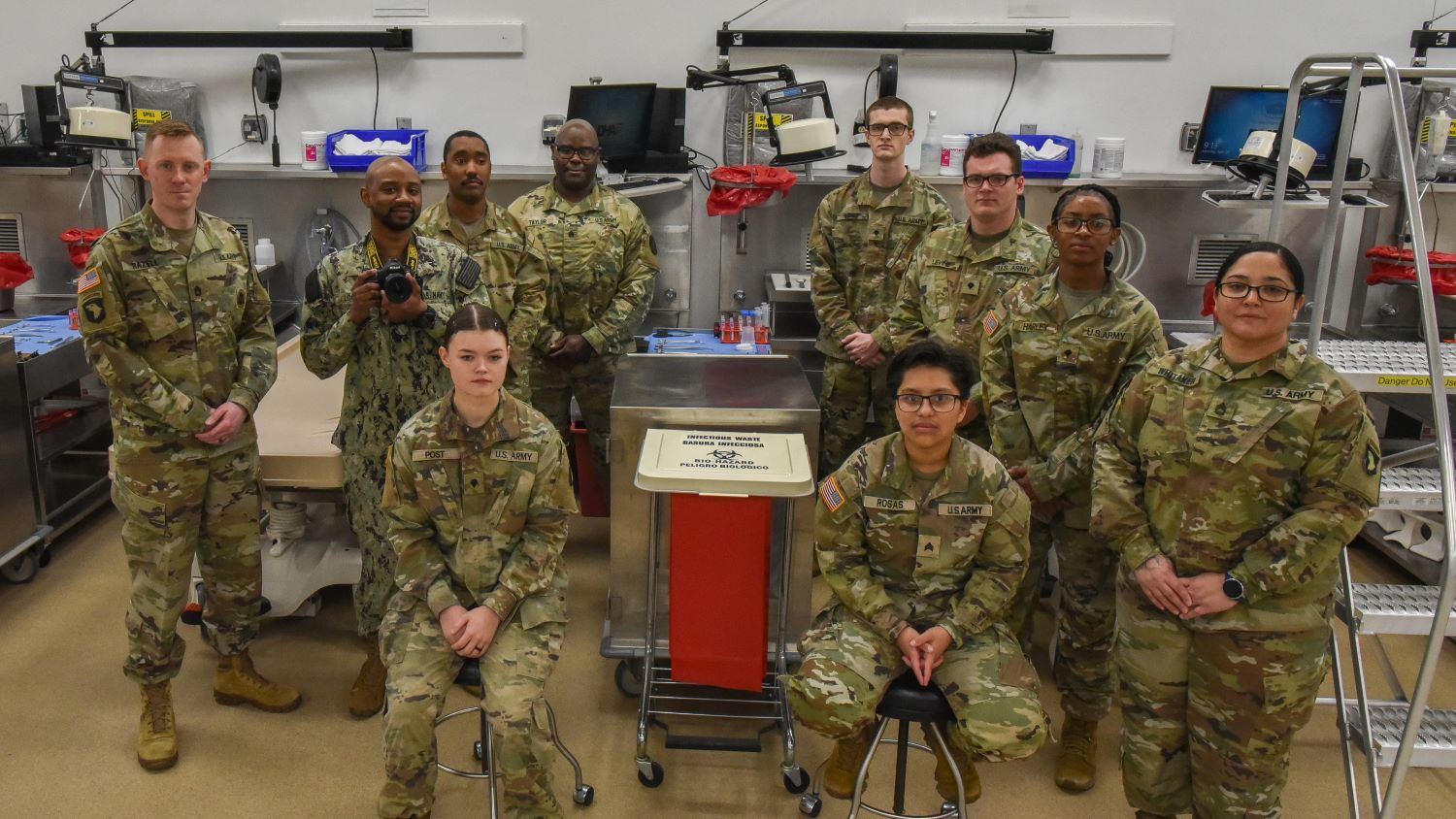
Unlike a typical office setting, AFMES personnel routinely work around biological, chemical, and physical hazards. Staff handles human remains and infectious materials, hazardous chemicals, sharp forensic instruments, compressed gases, and specialized laboratory equipment.
Knittel added that emergency preparedness is equally important. "Beyond handling chemicals, there is a critical need for proficiency in emergency responses," said Knittel. "That includes having NARCAN readily available for accidental opioid exposure, and specialized training for handling biological specimens. The conception of “chain of custody” is paramount; safety procedures not only protect personnel but also ensure the integrity of samples is never compromised.”
Rather than slowing operations, Leone said safety is integrated into every aspect of the mission through proactive risk management.
That approach includes a Safety Committee with representatives from every division, early involvement in operational planning and facility changes, and Stop-Work Authority, which empowers every employee to halt work if they identify an immediate danger to life, health, or property.
The program also depends on employees speaking up when they identify hazards or opportunities for improvement. Staff can report concerns through supervisors, the Safety Office, the Director's Suggestion Box, or divisional Safety Committee representatives. "With deeper employee engagement, it ensures safety is integrated into daily workflows rather than treated as an annual checklist," said Leone.
That feedback has led to improvements across AFMES. Leone said employee suggestions have resulted in engineering upgrades, protective equipment modifications, and updated standard operating procedures.
Knittel pointed to the digitization of Safety Data Sheets, which replaced paper binders with an electronic system that gives employees immediate access to the latest chemical hazard information.
Over the past several years, AFMES has also shifted from a reactive compliance-based approach to a proactive, data-driven risk management system.
Training remains a key part of that effort. Every new employee receives instruction on their rights and responsibilities, hazard communication, bloodborne pathogen protection, medical waste management, emergency procedures, and mishap reporting before beginning work, followed by specialized training for their specific duties.
In the laboratory, Knittel said routine safety practices make the biggest difference. "Consistent PPE use, including gloves, safety glasses, and lab coats, is the first line of defense against daily chemical and biological hazards,” said Knittel. “Monthly inspections create a system of accountability and continuous vigilance.”
For Leone, the program's greatest success has been building a culture where safety is everyone's responsibility. "My proudest accomplishment over the past decade is seeing the growth of our safety culture," he said. "Personnel don't just follow safety rules because they have to but actively look out for one another and voice safety improvements because they care."
That shared commitment helps ensure the people behind AFMES' mission can continue providing answers, justice, and closure to military families — safely.