Sept. 22, 2026 | By TRICARE Communications




Sept. 22, 2026 | By TRICARE Communications
FALLS CHURCH, Va. — With the days growing shorter and the kids back at school, flu season is on the way.
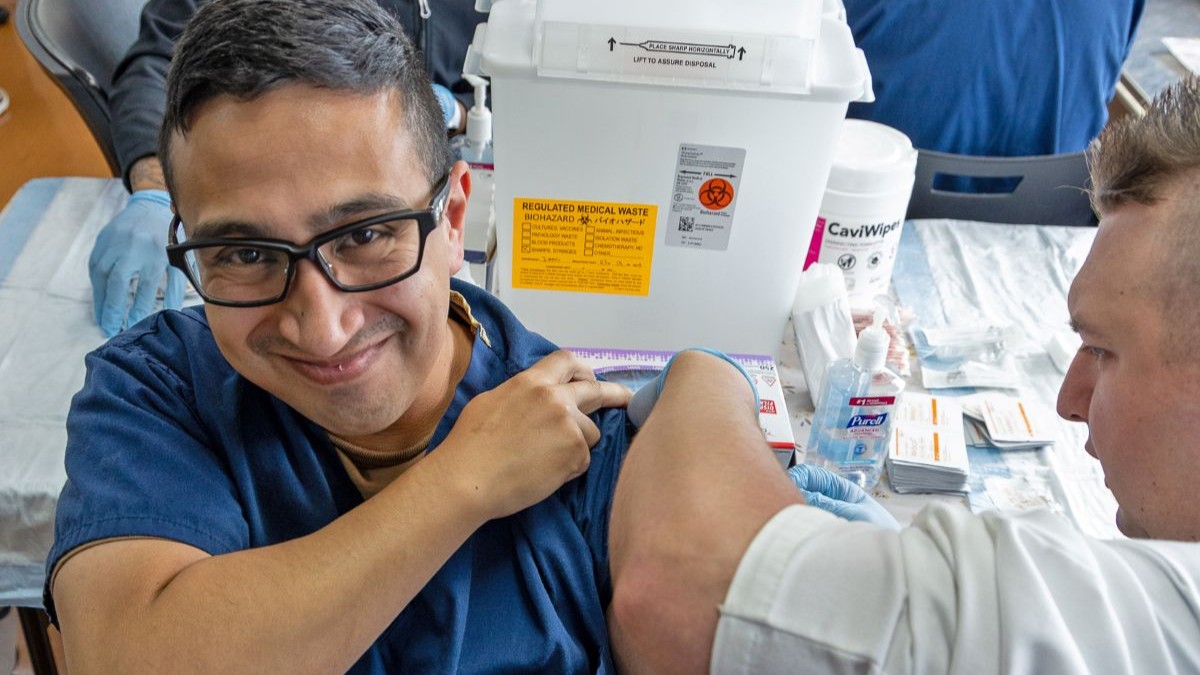
The flu can spread quickly, especially during the fall and winter months. Getting vaccinated reduces your risk of serious illness. TRICARE covers the flu vaccine for eligible beneficiaries, helping protect you and your family this season.
Learn how to get your TRICARE-covered flu vaccine today.
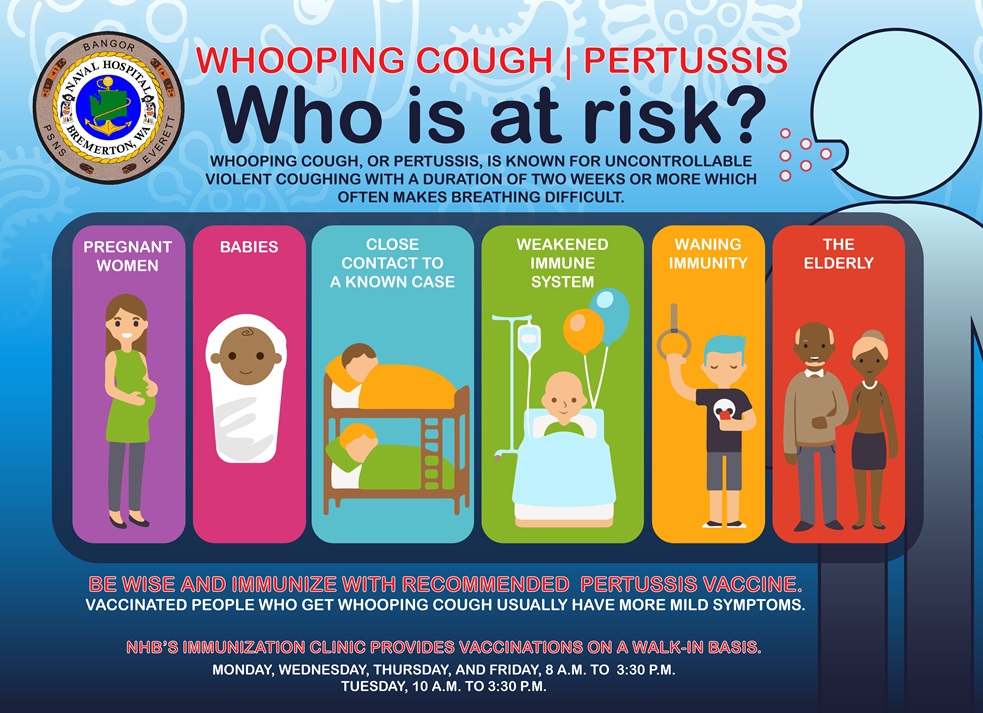
The flu virus changes rapidly. This means that each year’s flu shot only provides protection for that year’s strains. The Centers for Disease Control and Prevention recommends an annual flu vaccine for everyone aged 6 months and older, with rare exceptions. There are some populations who are at higher risk for having complications from the flu. It’s especially important for people in these groups to get the flu vaccine. This includes:
Additionally, if you live with people who are at high risk for flu complications, it’s important to get vaccinated.
There are many different flu vaccine products. Consult with your provider to determine which vaccine is best for you.
Generally, September and October are the best months to get the flu vaccine. Flu season usually peaks in February and can continue into May. Getting the vaccine too early can limit its effectiveness. But getting the vaccine later in the flu season still has benefits, since the virus is still circulating.
You may be eligible to get vaccinated for other respiratory illnesses, like RSV or COVID-19, at the same time. Your provider can discuss your options for getting those vaccines.
There are three ways you can get vaccinated at no cost, as described in the TRICARE Pharmacy Handbook:
Note: Before getting the vaccine, call to check if you need an appointment and if the vaccine is available. Remember to bring your Uniformed Services ID card.
The most common symptoms of the flu includes:
You can spread the flu before symptoms appear, or with no symptoms at all. Getting vaccinated can help protect others around you. If you do get sick, symptoms may be less severe if you’ve received the vaccine.
Steps to prevent spreading respiratory diseases include:
If you’re sick, stay home until you’ve been fever-free for 24 hours and your symptoms are improving.
Talk to your provider if you have questions about vaccines. For more information on TRICARE’s vaccine coverage, check out Immunizations.