Aug. 10, 2026 | By Anne Dimmette-Bell, DHA R&D-MRDC Public Affairs Office



Aug. 10, 2026 | By Anne Dimmette-Bell, DHA R&D-MRDC Public Affairs Office
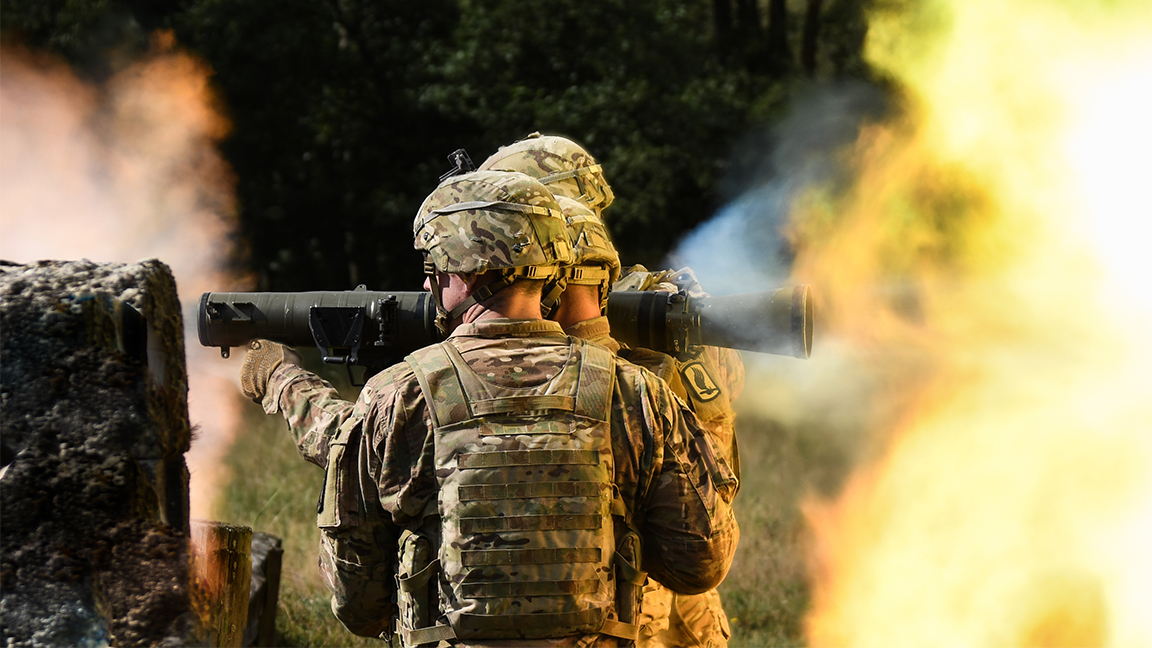
TYSONS CORNER, Va. — The invisible threat of low-level blast exposure demands a new kind of battlefield intelligence: advanced computational modeling and AI-driven decision support tools that can rapidly translate complex variables into actionable insights for warfighter protection, mitigation, and triage. This isn't a distant vision; it's a rapidly evolving reality, with several innovative tools in development and demonstrating significant promise.
Emerging Tools for Informed Action
The recent International Forum on Blast Injury Countermeasures hosted by the Defense Health Agency Research & Development-Medical Research & Development Command Blast Injury Research Coordinating Office showcased a suite of these cutting-edge solutions, each designed to integrate a variety of metrics to empower leaders and trainers with data-driven insights at the speed of war. Among them are:
These tools represent a significant leap forward, moving beyond subjective assessments to provide objective, actionable intelligence to support safe and effective training and protect Soldiers in unpredictable and rapidly evolving contested environments.
Research Data Fueling the Future
Like all artificial intelligence and advanced modeling, the effectiveness of these decision-support tools hinges on the quality and breadth of the data they consume. A major focus of the IFBIC forum was precisely this: identifying knowns and unknowns, and establishing the foundational data needed to build robust predictive models.
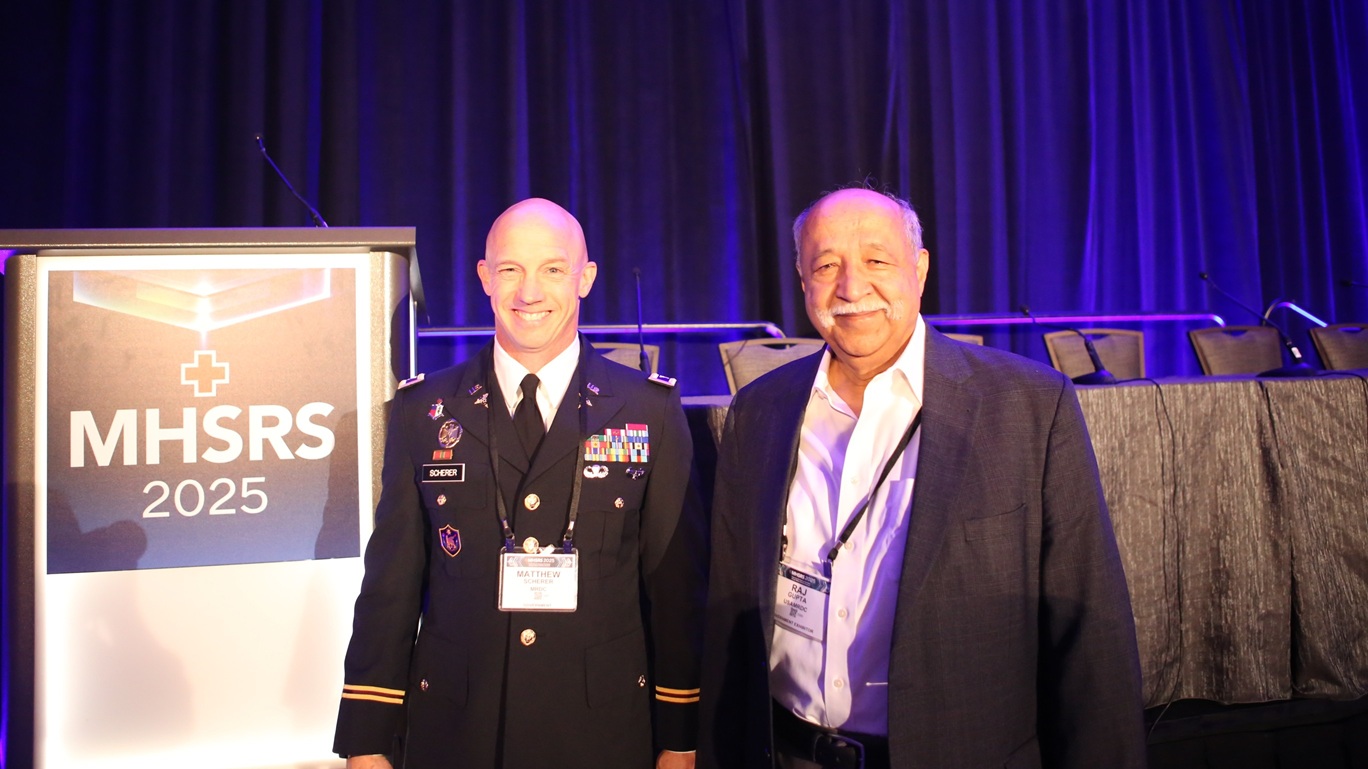
As Col. Matthew Scherer, Director of BIRCO, emphasized, “The charge of those in this community is to deliver effective science to inform on what is known or unknown. And right now, one of the big unknowns is the mechanism of injury and the nature of association between exposure and effects. To effectively translate blast physics into leader decision support tools and medical guidance we need to know which blast components are most injurious, and we need to establish valid and robust dose-response relationships. Leadership needs this information to appropriately manage mission risk and clinicians require it to assess and manage warfighter readiness to return to duty.”
Given the complexity in both the types of blast, the environments in which they occur, and the natural variability of the human body, establishing a clear picture of dosimetry necessitates gathering massive amounts of data from a variety of sources. While the advent of blast sensors and other monitoring devices can expand the data available, quantity alone is not sufficient. To accelerate research findings and ensure their applicability, consistency and quality will be paramount. This includes deliberate attention to prospective study design, establishing common measurement standards, methods and measures to facilitate data-sharing and the gathering of the massive amounts of data needed to paint a clearer, more comprehensive picture of this hidden enemy. Consequently, a portion of the IFBIC forum was devoted to discussion on standardization of experimental procedures and measurements.
IFBIC's collaborative approach, working with allies and transcending traditional boundaries, is a force multiplier in accelerating blast injury research. This sentiment was echoed by Dr. D. V. Agoston, Professor at the Uniformed Services University of the Health Sciences, who, in response to a presentation on the impact of blast waves on lipid membranes, noted, “This is well-studied in other areas. It demonstrates the importance of getting out of silos. We don't need to invent the wheels, we just need to import the wheels, from partners or other scientific disciplines, and put them on our cars.”
Researchers from diverse countries, scientific disciplines, military, private industry, and academia are collaborating to conduct meticulous research, helping connect the dots across the entire arc of blast injury—from initial exposure through immediate injury to its prolonged health effects. This includes understanding:
Researchers presented ongoing work dedicated to understanding the intricate impact of blast on:
This continuous influx of detailed, multidisciplinary data is the fuel that powers the predictive capabilities of advanced computational models and AI. It enables designers and researchers to refine algorithms, enhance tool accuracy, and ultimately create practical solutions that support critical decisions regarding prevention, mitigation, and triage for our warfighters.