March 10, 2026 | By Robert Hammer, Defense Health Agency Communications



March 10, 2026 | By Robert Hammer, Defense Health Agency Communications
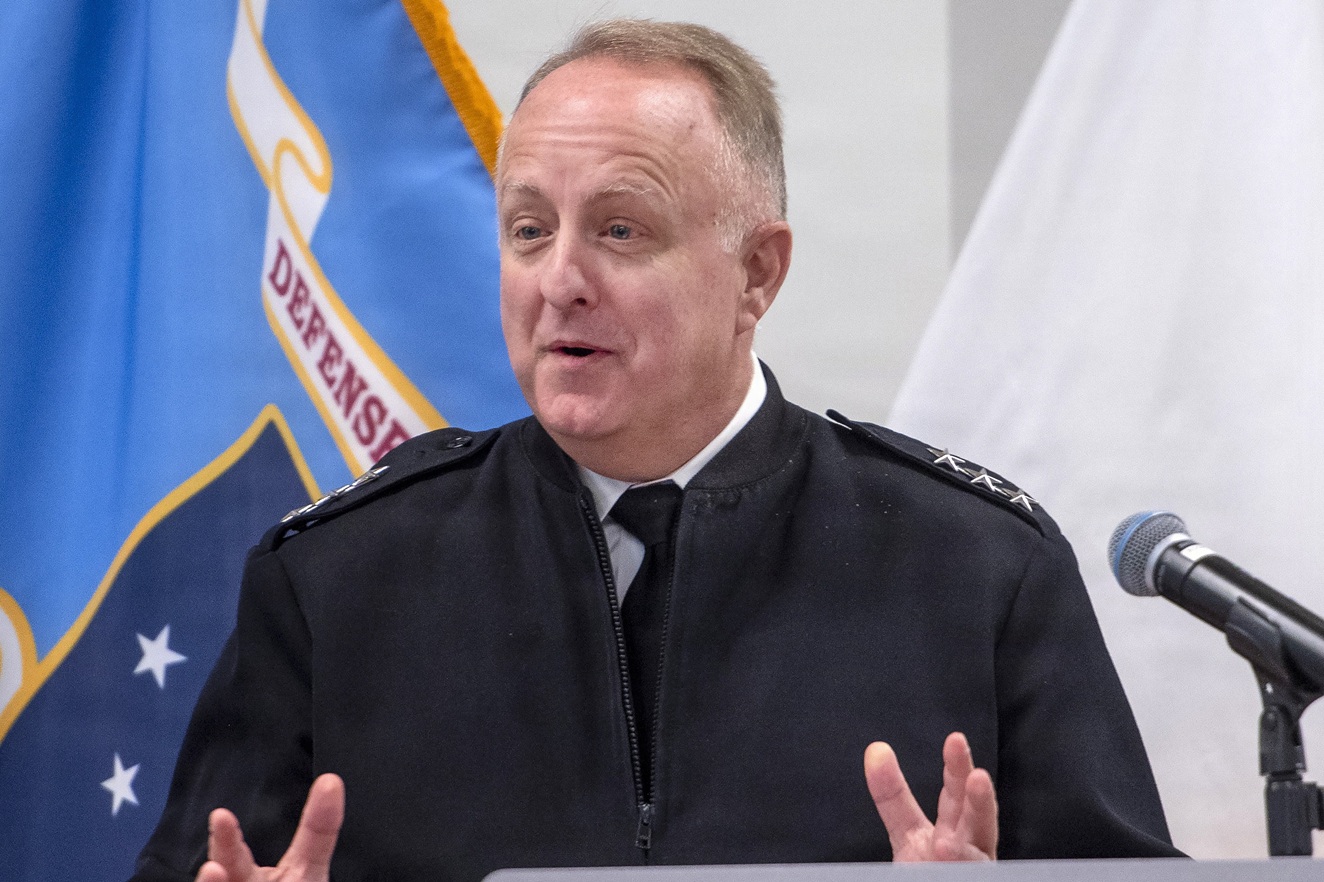
Declaring the Defense Health Agency is, in its entirety, a combat support agency singularly focused on generating and sustaining warfighter readiness, its new director, Vice Adm. Darin K. Via, laid out his strategic priorities to a gathering of military medical leaders and allied partners from around the world.
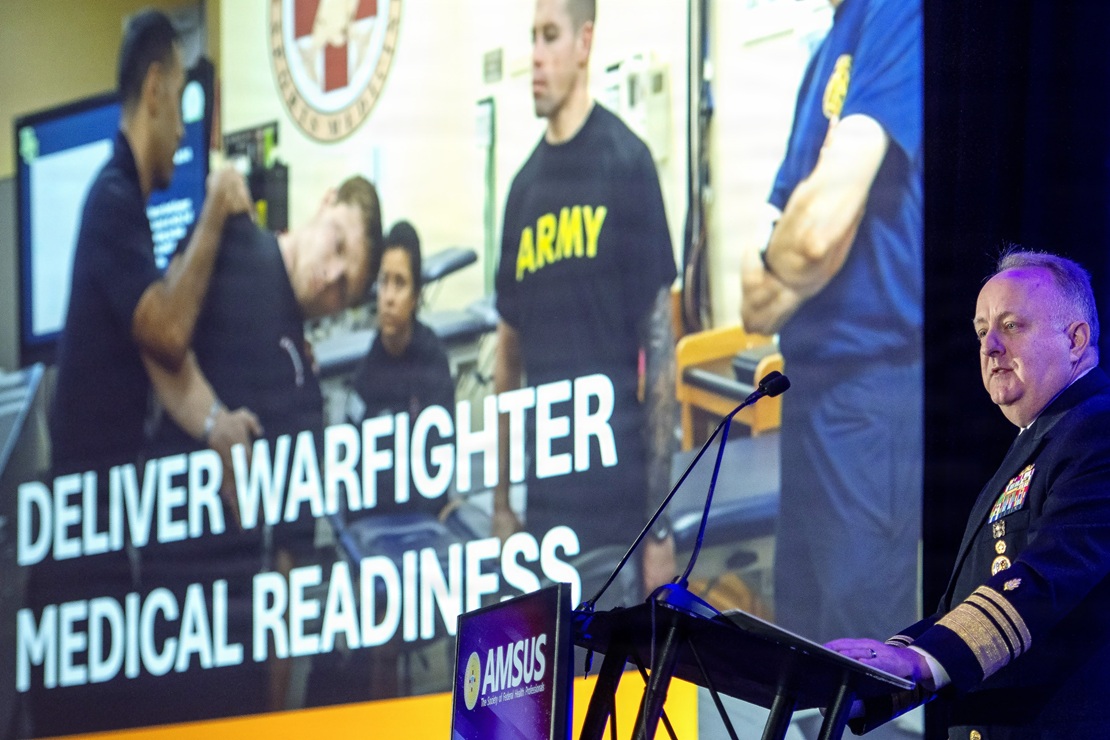
Speaking at the 2026 annual meeting of AMSUS, The Society for Federal Health Professionals, March 4, 2026, Via said current events bring the agency’s mission into even sharper focus.
“It could not be clearer in a week like this: When our nation calls, we don’t have time to get ready — we must already be ready,” Via said, referencing ongoing military operations in the Middle East. He stressed the need for timely information across the medical enterprise, and shared what DHA is doing to support the combatant commands in areas such as blood supply and medical logistics.
Via, who began his tenure as the agency’s fifth director Feb. 2, underscored the gravity of the mission. “The decisions we make every day have real-world implications for the men and women who selflessly accept the risk in service to the nation,” he said.
Reflecting a Department of War priority to restore the warrior ethos, Via, a trauma anesthesiologist, signaled his intent to drive improvements with urgency — a pace he referred to as "Via time."
His vision is structured around four interdependent lines of effort, which he described as the "roadmap to strengthening military medicine right now and well into the future" and include:
One of Via’s significant themes was a commitment to align the agency's resources and processes into a transparent, integrated system. He pledged to hold himself accountable by “dynamically allocating resources to our highest priorities and eliminating work that doesn’t drive the intended outcome.”
He highlighted the critical role of continuous innovation and technology insertion, particularly artificial intelligence, as critical to modernizing military medicine. The recent introduction of ambient listening tools at several DHA hospitals is a key step toward bringing more advanced technologies to military medicine, from the hospital or clinic to the battlefield.
Concluding his remarks, Via paid tribute to the military and federal partners, reinforcing a message of unity. “There’s nothing we accomplish alone; there’s nothing we can’t accomplish together,” he said.