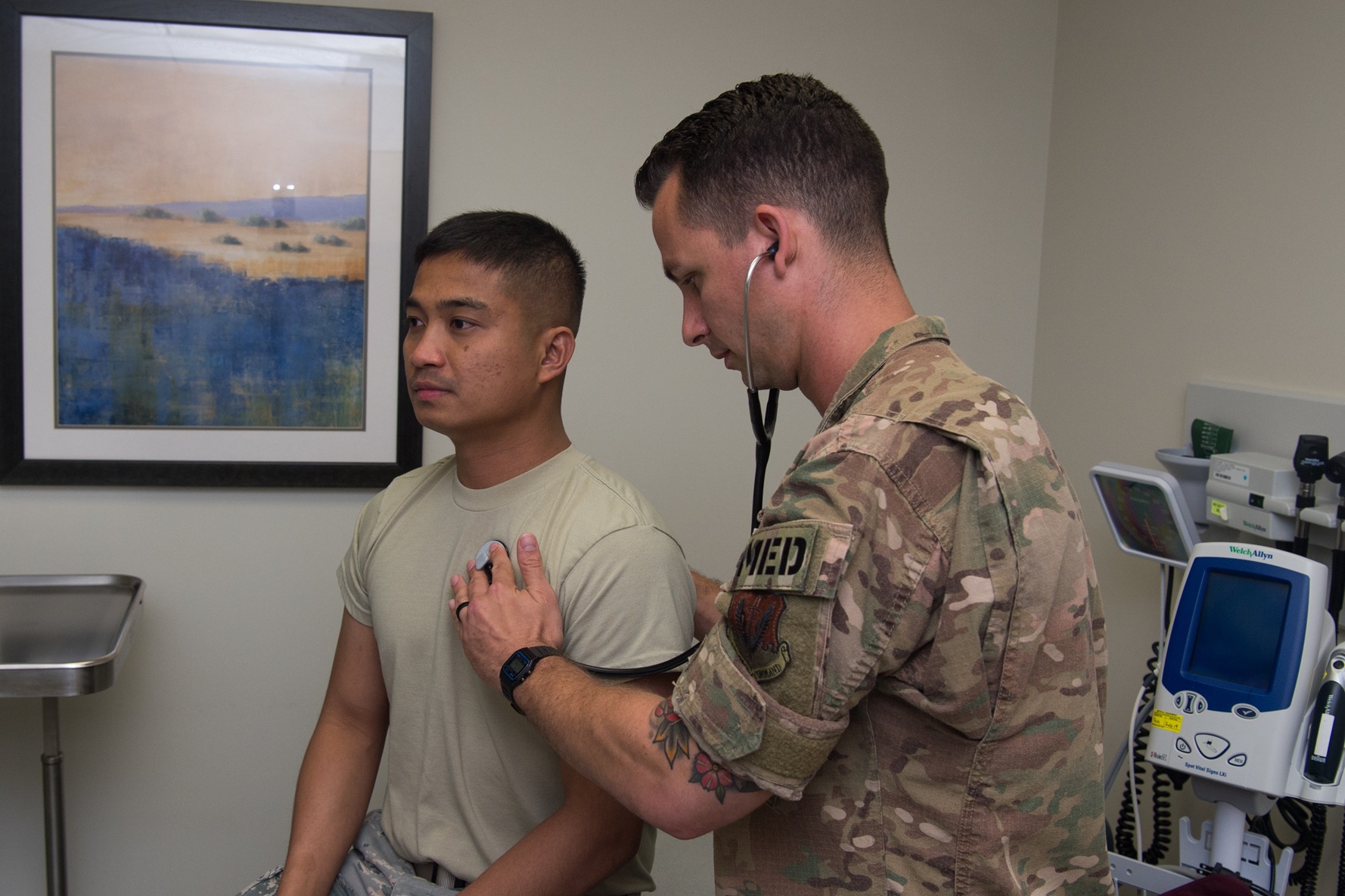


Testosterone Screening Process & Treatment
This screening identifies service members who may be at risk for or suffering from testosterone deficiency.
The screening process includes:
- Screening questions and risk factor assessment
- Laboratory testing, if indicated
- Follow-up clinical evaluations, as needed
Treatment begins with lifestyle changes that restore testosterone levels. This includes things like:
- Good nutrition
- Sleep
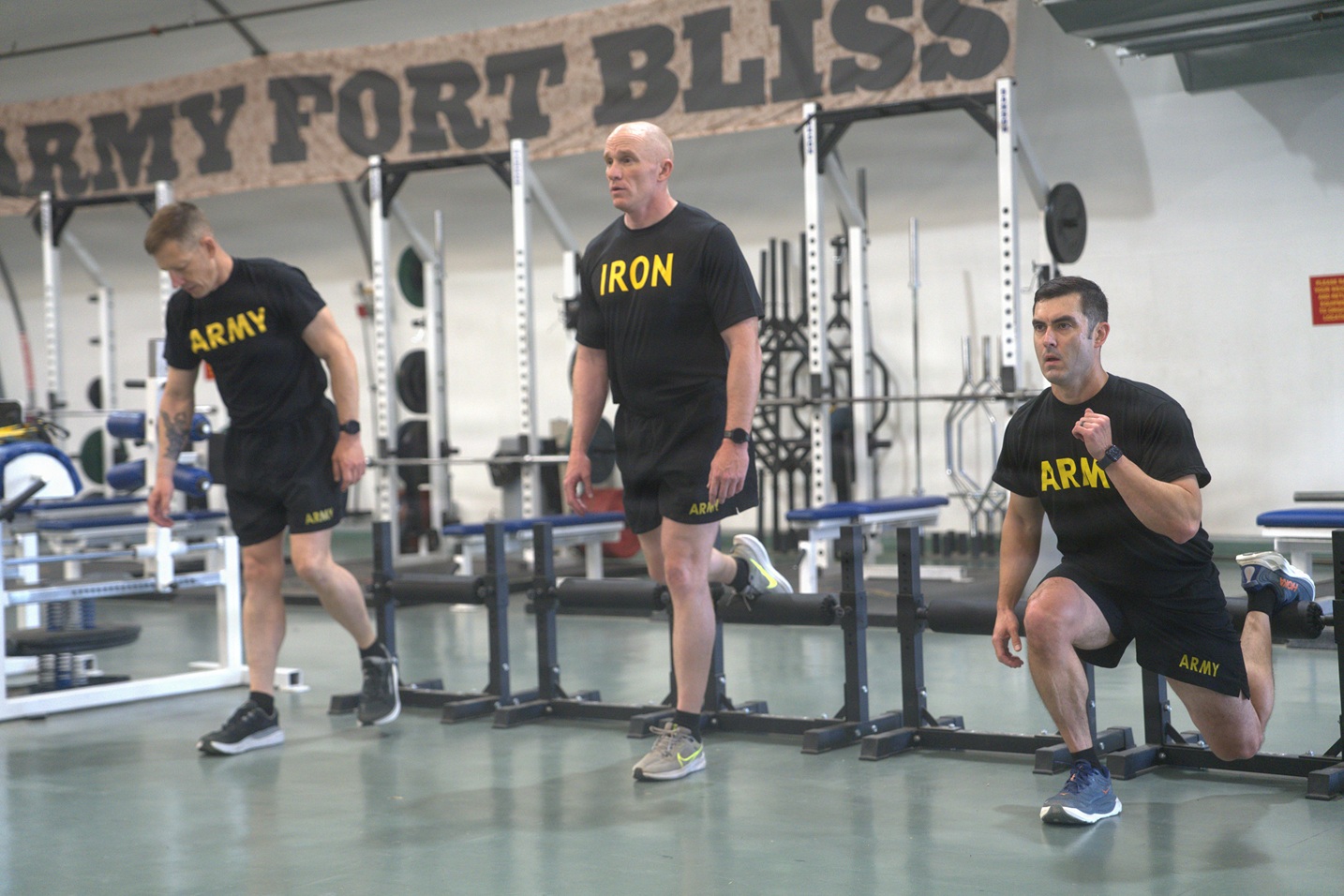
- Physical fitness
- Stress management
- Weight loss
Providers may prescribe hormone replacement therapies while treating underlying medical conditions and concurrently with lifestyle modification.

Hormone Health
Know Your Health. Know Your Options.
Your health can change throughout your life and military career. Hormones, nutrition, fertility, sexual health, training demands and reproductive goals can all affect how you feel and function. Understanding those changes can help you recognize:
- When something may be different
- When to talk with a healthcare provider
- How to make informed decisions about your health and future
Not Sure Where to Start?
Start With a Conversation.
Don’t diagnose yourself. Talk to your healthcare provider.
If you notice changes in your:
- Energy or endurance
- Concentration or memory
- Sexual desire or erections
- Physical performance
- Weight (loss in muscle mass or gain in fat mass)
- Mood
- Motivation
- Sleep
If you’ve experienced or have been diagnosed with:
- Obesity
- Type 2 diabetes or metabolic syndrome
- Chronic opioid or glucocorticoid therapy
- Traumatic brain injury with loss of consciousness
- Testicular trauma, torsion, or undescended testis
- Inflammation or infection of one or both testicles
- Chemotherapy or pelvic radiation
- Known or suspected obstructive sleep apnea
- Low-trauma fracture
- Recurrent bone stress injury
- Unexplained anemia
- Infertility
- Gynecomastia
…talk with your healthcare provider.
- WHAT CHANGED? What symptoms or changes have you noticed?
- WHEN DID IT START? Was the change sudden or gradual?
- WHAT'S AFFECTED? Is it affecting your health, training, work, relationships or quality of life?
"Could there be a health or hormone-related reason for what I'm experiencing?"