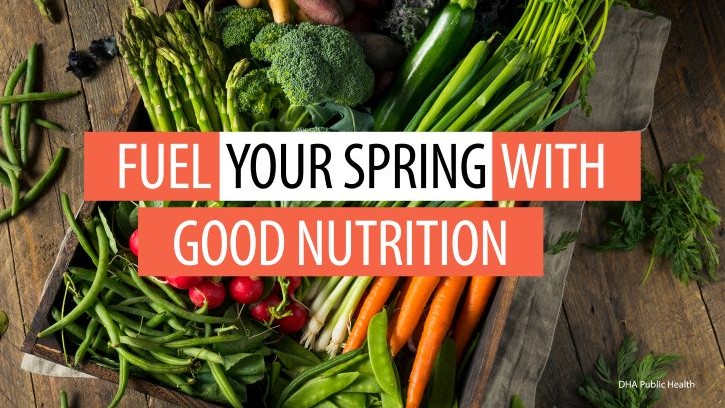
Spring brings warmer weather, blooming flowers and packed schedules for military families juggling school, sports and other activities. Here are some strategies for incorporating fresh, seasonal produce through Community Supported Agriculture programs, along with efficient meal-prepping ideas for your demanding schedule.
For service members, nutrition is a critical component of readiness. With a little planning, you can ensure that even on the most demanding days, you and your family are fueled by healthy, home-cooked meals this spring.
Spring is the perfect time to connect with your local food system by joining a CSA program. A CSA is a direct partnership with a local farmer, functioning as a "farm share." Your upfront membership at the start of spring provides local farmers with essential capital, directly supporting their growing season. In return, you receive a weekly box of seasonal fruits and vegetables, and sometimes other local goods like milk, eggs or honey.
Key benefits include—
- Freshness. CSAs introduce you to a wide range of produce harvested at its peak. For example, you may receive strawberries and sugar snap peas in the spring, followed by watermelon and bell peppers in the summer.
- Flexible options. Farms typically offer various share sizes, from full shares for larger families to half or quarter shares for smaller households.
- Community connection. Pick-ups are often at convenient neighborhood locations, fostering a connection to your food and community.
- Variety. Try new fruits and vegetables that you might not purchase in a local grocery store.
To get started, search online for a CSA near you. If a CSA isn't available, your local farmers’ market is another excellent source for seasonal produce. Also check your local area to see if there are opportunities for “you-pick” farms for produce such as fresh asparagus, various leafy greens (lettuce, arugula, chard), radishes, spinach, strawberries, blueberries, raspberries, blackberries, etc.
Extend your harvest: Tips to reduce food waste
A weekly CSA box provides a generous bounty of produce that may require a plan for effective use. With these strategies, you can make sure none of your produce goes to waste:
- Blanch and freeze. Vegetables like green beans, broccoli, and peas can be blanched quickly in boiling water and then frozen. This process preserves their nutrients and flavor for months.
- Create an "eat first" bin. As soon as you get your fruits and vegetables, identify the ones that spoil quickly (like leafy greens and berries). Keep them in a designated "eat first" bin in your refrigerator as a visual reminder.
- Make a versatile soup. At the end of the week, gather any leftover vegetables, chop them up, and simmer them in a broth with herbs to create a simple, healthy "everything" soup.
Spring meal prep ideas
A busy spring schedule doesn’t have to mean sacrificing healthy meals. With your fresh produce and a little planning, you can prepare flavorful dishes for even the most hectic weeknights. Spring offers a wonderful harvest of asparagus, berries, citrus fruits, broccoli, peas and rhubarb.
Here are some meal prep ideas perfect for the season:
Make-ahead breakfasts to grab and go
- Overnight oats: This quick, no-cook breakfast is ideal for busy mornings. In a portable container, combine rolled oats, chia seeds, your favorite milk, and a touch of yogurt for creaminess. Customize it with fresh spring fruit, a scoop of protein powder, and a dash of vanilla. Let it rest in the refrigerator overnight.
- Baked egg muffins: For a savory, protein-packed start, whisk eggs with your favorite chopped spring vegetables like spinach, peppers, or peas. Bake in muffin tins and store in the refrigerator for a quick and easy breakfast throughout the week.
Packable lunches that aren't boring
- Versatile grain bowls: Cook a large batch of hearty grains like quinoa or farro at the beginning of the week. Each day, create a new combination by topping it with roasted spring vegetables (like asparagus and snap peas), add a protein source (like chickpeas or grilled chicken), and a flavorful sauce like a lemon-herb vinaigrette.
- Fresh spring wraps: Elevate your lunch by filling whole-wheat tortillas with hummus, crisp spring greens, shredded carrots, and any other vegetables you have on hand. Add rotisserie chicken or chickpeas for a satisfying protein boost.
Quick and easy weeknight dinners
- Sheet pan meals: For a complete dinner with minimal cleanup, toss your favorite protein (such as chicken or salmon) and spring vegetables (like asparagus and new potatoes) with olive oil and seasonings. Roast everything on a single sheet pan until cooked. Portion your meals and use them for lunch the next day.
- Slow cooker creations: Let your slow cooker do the work. Prepare a large batch of chili, soup, or pulled pork over the weekend. During the week, simply reheat and serve. Add fresh spring lettuce, spinach, radishes, spring onions and snap peas together with other favorites to make a side salad.
Involve the whole family
Getting children involved in food selection and preparation is one of the best ways to build healthy, lifelong eating habits. It can also make them more willing to try new foods.
- Market explorers: At the farmers’ market, give each child a small budget to pick out one fruit or vegetable they want to try.
- Kitchen helpers: Let children help with age-appropriate tasks like washing produce, tearing lettuce for salads, or stirring ingredients for overnight oats.
- Build-your-own station: For lunches and dinners, set up a "build-your-own" bar for grain bowls or wraps. This empowers children to make their own choices and create a meal they're excited to eat.
Fueling the force starts at home. By integrating these tips into your routine, you can ensure your military family remains healthy, resilient, and mission-ready this spring.